SEO Services

Professional featured image showing a business professional overlooking a city skyline with the centered title "Why Personal Branding Is Becoming the Biggest Marketing Channel" surrounded by trust, authority, influence, and growth marketing icons.
SEO

Why Personal Branding Is Becoming the Biggest Marketing Channel in 2026

Personal branding is the process of creating and managing how people perceive you online and offline. It reflects your expertise, values, personality, and the unique value you offer. Unlike a company brand, a personal brand focuses on an individual. It helps people recognize you as an authority in your industry and builds long term trust with your audience. Examples of strong personal branding include entrepreneurs sharing industry insights on LinkedIn, marketers posting educational content on Instagram, and business owners appearing in videos that showcase their expertise. Why Personal Branding Matters More Than Ever Consumers are overwhelmed by advertisements. Every day, they encounter thousands of marketing messages across search engines, social media, and websites. To stand out, businesses need something that can’t be easily replicated authentic human connection. Whether you’re a freelancer, consultant, agency owner, or an expert in ecommerce seo, building a strong personal brand helps establish credibility and positions you as a trusted authority in your niche. When people recognize your expertise, they’re more likely to engage with your content, trust your recommendations, and choose your services over competitors Personal branding allows businesses to: Build trust before making a sale Create stronger relationships with customers Demonstrate expertise Increase brand recognition Generate organic leads Improve customer loyalty People are more likely to buy from someone they know, like, and trust.   Why Personal Branding Is Becoming the Biggest Marketing Channel 1. People Trust Faces More Than Logos Research consistently shows that audiences engage more with real people than corporate accounts. A founder sharing lessons, behind the scenes content, or practical tips often receives significantly more engagement than a branded promotional post. Customers want to know: Who is behind the business? Why should they trust you? What experience do you have? How can you help them? Your personal story helps answer these questions. 2. AI Has Increased the Value of Authenticity Artificial intelligence has made content creation faster than ever. While AI tools help marketers improve efficiency, they have also created an overwhelming amount of similar looking content. What AI cannot fully replace is: Personal experiences Original opinions Real success stories Authentic communication Human relationships Sharing genuine insights makes your content more memorable and trustworthy. 3. Social Media Rewards Personal Creators Platforms like LinkedIn, Instagram, TikTok, and YouTube increasingly prioritize engaging content from individuals. People enjoy following experts who: Share educational tips Solve common problems Tell relatable stories Show behind-the-scenes moments Discuss industry trends Consistent personal content often reaches wider audiences than promotional brand posts. 4. Personal Branding Builds Authority When you regularly publish valuable content, your audience begins to see you as an expert. Authority leads to: Speaking opportunities Media interviews Business partnerships High-quality referrals Better client relationships The more helpful your content, the stronger your reputation becomes. 5. It Supports Every Marketing Channel A strong personal brand enhances your entire marketing strategy. For example: SEO content becomes more credible when linked to an expert author. Social media engagement increases with authentic storytelling. Email marketing feels more personal. Sales conversations become easier because prospects already know and trust you. Personal branding doesn’t replace other marketing channels, it strengthens them. Benefits of Personal Branding Marketing Higher Trust Trust is one of the biggest factors influencing purchasing decisions. A recognizable personal brand makes potential customers feel more confident. Better Lead Generation People who regularly consume your content are more likely to become qualified leads because they already understand your expertise. Lower Advertising Costs Consistently creating valuable content can generate organic reach and referrals, reducing reliance on paid advertising. Long-Term Visibility Unlike advertisements that stop producing results when the budget ends, personal branding compounds over time. Every article, video, podcast, or social media post contributes to your long-term online presence. How to Build a Strong Personal Brand Define Your Expertise Identify the topics you want to be known for. Examples include: SEO Digital marketing Social media marketing Content marketing Entrepreneurship AI marketing Web development Choose a niche that aligns with your skills and interests. Create Valuable Content Share content that educates, inspires, or solves problems. Popular formats include: Blog articles LinkedIn posts Instagram Reels YouTube videos Case studies Industry insights Practical tutorials Focus on helping your audience rather than constantly promoting your services. Be Consistent Consistency is more important than perfection. Create a realistic publishing schedule, whether it’s weekly blog posts, daily social media updates, or monthly webinars. Over time, consistent content builds recognition and trust. Show Your Personality People connect with authenticity. Share: Your journey Lessons learned Success stories Challenges you’ve overcome Behind-the-scenes moments Your personality helps differentiate you from competitors. Engage With Your Audience Respond to comments, answer questions, participate in discussions, and build relationships. Engagement strengthens your community and increases your visibility on social media platforms. Common Personal Branding Mistakes Avoid these mistakes: Only posting sales content Inconsistent publishing Copying competitors Ignoring audience engagement Focusing only on follower count Trying to appeal to everyone Sharing content without a clear niche Building a personal brand is about earning trust not chasing vanity metrics. Personal Branding and SEO Personal branding also supports SEO performance. Search engines increasingly value content created by credible experts. Publishing under a recognizable author profile, showcasing real experience, and consistently producing high quality content can strengthen your website’s authority. Combining personal branding marketing with SEO helps you: Increase brand searches Improve user trust Earn natural backlinks Build topical authority Strengthen EEAT (Experience, Expertise, Authoritativeness, and Trustworthiness) When people search for your name as well as your business, your online visibility grows significantly.
Google's AI Mode Explained featured image showing a futuristic AI-powered Google Search interface, SEO optimization icons, AI technology graphics, and a centered title about optimizing websites for Google's AI Mode.
SEO

Google’s AI Mode Explained: How to Optimize Your Website in 2026

Google Search is evolving faster than ever. With the introduction of Google’s AI Mode, users can now receive detailed, AI generated answers instead of scrolling through multiple websites. This shift is changing how businesses approach SEO and online visibility. For companies investing in seo services, understanding Google’s AI Mode is essential. Traditional ranking factors still matter, but AI now prioritizes content that is trustworthy, comprehensive, and genuinely helpful. What Is Google’s AI Mode? Google’s AI Mode is an advanced search experience powered by generative AI. Instead of simply displaying a list of web pages, Google generates conversational responses by analyzing information from multiple reliable sources. Users can ask detailed questions, follow up naturally, and receive personalized recommendations without leaving the search page. This means your website needs to do more than rank, it needs to become a trusted source that Google’s AI is confident enough to reference. Why Google’s AI Mode Matters for SEO AI generated search results are changing user behavior. Instead of clicking several websites, users often get complete answers directly in Google. This creates both challenges and opportunities. Benefits for businesses that optimize correctly include: Increased visibility in AI generated answers Higher brand authority Better organic traffic quality Improved trust with potential customers More qualified leads Businesses using professional SEO services are adapting their strategies to stay competitive as AI search becomes the new standard. How Google’s AI Mode Selects Content Google’s AI doesn’t randomly choose websites. It evaluates content using several quality signals. 1. Helpful Content Content should answer real user questions clearly and completely. Avoid creating articles only to target keywords. 2. Experience and Expertise Google values content created by people with genuine knowledge and experience. Including real examples, case studies, and practical advice strengthens credibility. 3. Website Authority Strong websites usually have: High-quality backlinks Consistent publishing Accurate information Positive user engagement Authority remains one of the strongest ranking signals. 4. Structured Information Well organized content helps Google’s AI understand your pages more effectively. Use: Clear headings Bullet points Numbered lists FAQ sections Tables where appropriate Best Ways to Optimize Your Website for Google’s AI Mode Create Content That Answers Questions Instead of writing around keywords, answer specific questions your audience is asking. Examples include: What is AI SEO? How does AI Mode affect rankings? Is traditional SEO still important? Question based content performs well in AI powered search. Focus on Search Intent Understand why users are searching. Common intent includes: Learning Comparing Buying Solving problems Every article should satisfy one primary intent. Build Topic Authority Publishing one blog isn’t enough. Create clusters around related topics. Example: AI SEO Guide Technical SEO Local SEO On-Page SEO Link Building Content Optimization Google prefers websites that demonstrate deep expertise across a subject. Improve Content Quality Your content should be: Original Accurate Well researched Easy to read Updated regularly Avoid thin or repetitive articles. Optimize Technical SEO Even AI powered search depends on a technically sound website. Technical SEO helps Google crawl and understand your website efficiently. Focus on: Fast page speed Mobile responsiveness Secure HTTPS Clean URLs XML sitemap Internal linking Proper schema markup Use Structured Data Schema markup provides additional context about your pages. Structured data improves your chances of being featured in AI generated responses. Useful schema types include: Article FAQ Organization Product Local Business Review Write Naturally Keyword stuffing is no longer effective. Natural writing aligns better with how AI understands content. Instead: Use conversational language. Include related terms naturally. Write for humans first. Answer follow-up questions within the article. Common Mistakes to Avoid Many websites still rely on outdated SEO practices. Google’s AI prioritizes usefulness over manipulation. Avoid these common mistakes: Publishing AI-generated content without human editing Keyword stuffing Ignoring user intent Thin content Slow website performance Poor mobile experience No internal linking Outdated information How SEO Services Can Help Optimizing for Google’s AI Mode requires more than writing blog posts. An experienced SEO team can ensure your website remains competitive as search continues to evolve. Professional SEO services can help with: Technical SEO audits AI focused keyword research Content strategy Schema implementation Internal linking optimization Performance improvements Authority building The Future of SEO in the AI Era SEO is not disappearing : it is evolving. Businesses that focus on creating valuable, trustworthy, and user focused content will continue to perform well. Google’s AI Mode rewards websites that demonstrate expertise, answer questions clearly, and provide the best possible user experience.

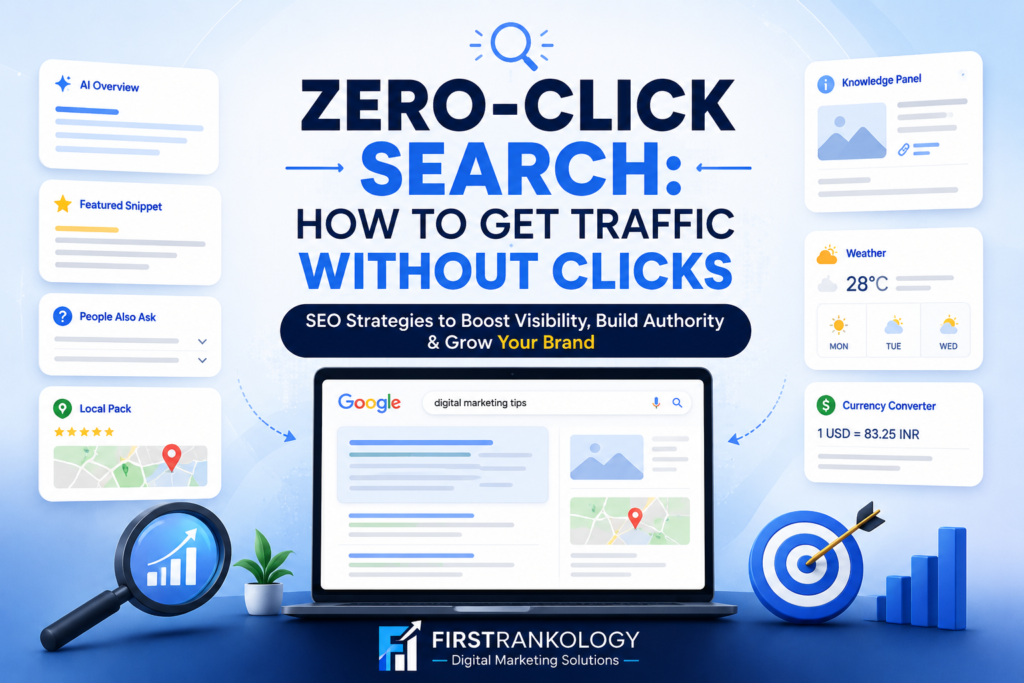
Featured image illustrating zero-click search with a centered title, Google AI search interface, featured snippets, knowledge panels, local search results, and SEO growth elements representing modern SEO strategies.
SEO

Zero-Click Search: How to Get Traffic Without Clicks

Search engines have evolved dramatically over the past few years. Today, users often find answers directly on Google’s search results page without ever visiting a website. This phenomenon is known as Zero-Click Search, and it’s changing how businesses approach online visibility. For brands investing in seo services, this shift doesn’t mean SEO is becoming less important, it means SEO strategies need to evolve. Instead of focusing only on clicks, businesses must optimize for visibility, authority, and AI-powered search experiences. What Is Zero-Click Search? A zero-click search occurs when users receive the information they need directly on the search engine results page (SERP), eliminating the need to click any website. Examples include: AI-generated search summaries Featured snippets Knowledge panels Local business listings Google Maps results People Also Ask boxes Weather forecasts Currency converters Sports scores Google’s goal is to provide instant answers, improving the user experience while reducing the need to visit multiple websites. Why Zero-Click Searches Are Increasing Several factors are driving this trend: AI-Powered Search : Google’s AI-generated answers summarize information from multiple trusted sources, allowing users to find quick solutions immediately. Mobile Search Growth : Mobile users prefer fast answers without opening multiple pages. Voice Search : Voice assistants deliver direct responses rather than lists of websites. Better Search Features : Featured snippets, FAQs, and rich results satisfy user intent quickly. Does Zero-Click Search Hurt SEO? Not necessarily, Although some informational searches receive fewer clicks, businesses can still benefit significantly through: Increased brand visibility Higher authority Better local discovery More qualified visitors Improved trust signals Greater chances of appearing in AI-generated responses Professional seo services now focus on maximizing visibility across every search feature—not just traditional organic rankings. How to Get Traffic Without Clicks Optimize for Featured Snippets : Featured snippets appear above traditional search results and often become Google’s preferred answer. Tips: Answer questions clearly. Use headings and bullet points. Keep definitions concise. Include numbered lists where appropriate. Target Long-Tail Keywords : Instead of broad keywords, optimize for specific user questions such as: How does zero-click search work? What are zero-click SEO strategies? How can businesses benefit from AI search? Long-tail keywords often attract highly qualified visitors. Build Topical Authority : Google prefers websites that demonstrate expertise across an entire topic. Instead of publishing one SEO article, create a content cluster covering: Technical SEO Local SEO AI Search Optimization Keyword Research On-Page SEO Link Building SEO Analytics The more comprehensive your content, the greater your chances of appearing in AI summaries and featured snippets. Optimize for AI Search : Modern search engines increasingly rely on artificial intelligence. Your content should: Answer questions naturally Include FAQs Use structured headings Cite trustworthy information Be easy to read Demonstrate expertise AI systems prioritize content that is accurate, organized, and genuinely helpful. Strengthen Local SEO : Many zero-click searches occur in local results. Examples include: “SEO agency near me” “Digital marketing company” “Best SEO consultant” Optimize your: Google Business Profile Business information Customer reviews Location pages Local keywords This helps your business appear in Maps and local search features. Create Helpful FAQ Sections : FAQs increase your chances of appearing in: People Also Ask AI summaries Voice search results Answer common customer questions clearly and concisely. Improve EEAT Signals : Google values websites that demonstrate: Experience Expertise Authoritativeness Trustworthiness Ways to improve EEAT: Publish expert-written content Add author bios Showcase client testimonials Keep information updated Use secure HTTPS Display contact information Focus on Brand Searches : Users who recognize your brand are more likely to visit your website directly. Build brand awareness through: Social media Email marketing Video content PR campaigns High-quality blog posts Strong branding leads to more direct and branded searches over time. How SEO Services Help in the Zero-Click Era Modern seo services go beyond ranking keywords. They focus on increasing your overall digital presence by: Optimizing content for AI search Improving technical SEO Creating structured content Building topical authority Enhancing local SEO Monitoring search performance Increasing brand visibility Developing content that earns featured snippets A strategic SEO approach ensures your business remains visible even when users don’t immediately click through from search results. Common Mistakes to Avoid Avoid these common pitfalls: Writing only for search engines instead of users Ignoring structured headings Publishing thin or duplicate content Neglecting mobile optimization Overusing keywords Failing to update older content Ignoring local SEO opportunities

Professional e-commerce SEO growth concept featuring a modern premium laptop displaying a sleek online shopping store
SEO

SEO for E-commerce Stores: How to Increase Sales Organically?

Running an e-commerce store is more competitive than ever. With thousands of online stores competing for customer attention, simply having a website is not enough. To attract potential buyers and generate consistent sales, your store needs visibility in search engine results. Why SEO Matters for E-commerce Stores Most online shopping journeys begin with a search engine. Whether customers are looking for products, reviews, or comparisons, they often turn to Google before making a purchase decision. If your products aren’t appearing in search results, you’re missing valuable opportunities to reach potential customers. Professional SEO services help e-commerce stores: Increase organic website traffic Improve product visibility Generate qualified leads Enhance user experience Build brand credibility Increase online sales Reduce dependence on paid ads Unlike paid advertising, SEO continues delivering traffic long after the initial optimization efforts are completed. How SEO Increases E-commerce Sales 1. Attracts High-Intent Buyers One of the biggest advantages of SEO is that it targets users actively searching for products. For example, someone searching for “best wireless headphones under $100” is already interested in buying. Ranking for these keywords can bring highly qualified traffic to your store. Effective SEO services focus on identifying purchase-intent keywords that are more likely to convert visitors into customers. 2. Optimizes Product Pages for Search Engines Your product pages are among the most important assets on your website. SEO optimization includes: Keyword-rich product titles Unique product descriptions Optimized meta tags High-quality images with alt text Internal linking Structured data markup Well-optimized product pages improve rankings while helping customers make informed purchasing decisions. 3. Improves Website User Experience Search engines prioritize websites that provide a positive user experience. Important factors include: Fast loading speed Mobile responsiveness Easy navigation Secure browsing (HTTPS) Clear product categories Professional SEO services often include technical improvements that enhance both rankings and customer satisfaction. Essential SEO Strategies for E-commerce Stores Keyword Research Successful SEO begins with understanding what your customers are searching for. Target keywords may include: Product-specific keywords Category keywords Long-tail search terms Local shopping keywords Informational keywords For example: Running shoes for women Affordable gaming laptops Organic skincare products Best office chairs for home use Targeting the right keywords helps attract visitors who are more likely to purchase. Content Marketing Content plays a vital role in e-commerce SEO. Useful content can include: Buying guides Product comparisons How-to articles Industry trends Customer success stories Blog content helps your website rank for informational searches while guiding users toward relevant products. Many SEO services include content marketing strategies to expand organic reach and drive additional traffic. Technical SEO Technical SEO ensures search engines can efficiently crawl and index your website. Important areas include: XML sitemap optimization Schema markup Site speed optimization Mobile usability Canonical tags Fixing broken links A technically sound website provides a strong foundation for higher rankings. Category Page Optimization Many e-commerce stores focus only on product pages and overlook category pages. Optimized category pages can rank for valuable keywords and drive significant traffic. Best practices include: Unique category descriptions Keyword optimization Internal linking User-friendly navigation SEO-friendly URLs Category pages often become major traffic sources when optimized correctly. The Role of Backlinks in E-commerce SEO Backlinks remain one of Google’s strongest ranking factors. When reputable websites link to your store, search engines view your website as more trustworthy. Ways to earn backlinks include: Publishing valuable content Guest posting Digital PR campaigns Influencer collaborations Industry partnerships Many advanced E-commerce SEO services include link-building strategies to strengthen website authority and improve rankings. Common E-commerce SEO Mistakes Avoiding common mistakes can significantly improve your SEO performance. Duplicate Product Descriptions Using manufacturer-provided descriptions can create duplicate content issues. Instead, write unique descriptions that highlight product benefits and features. Poor Site Structure Confusing navigation can hurt both users and search engines. Organize products into logical categories and maintain a clean website hierarchy. Ignoring Mobile Users Most online shopping occurring on mobile devices, a mobile-friendly website is essential. Slow Loading Pages Even a few seconds of delay can increase bounce rates and reduce conversions. SEO and website performance optimization should go hand in hand. How Long Does E-commerce SEO Take? SEO is a long-term strategy. Most e-commerce businesses begin seeing noticeable improvements within 3 to 6 months, while significant growth often occurs after 6 to 12 months of consistent optimization. The timeline depends on: Industry competition Website age Content quality Backlink profile Technical website health Businesses that invest consistently in professional SEO services typically achieve stronger and more sustainable results over time. Measuring SEO Success Key performance indicators (KPIs) for e-commerce SEO include: Organic traffic growth Product page rankings Conversion rates Revenue from organic search Click-through rates Bounce rates Average order value Tracking these metrics helps evaluate the effectiveness of your SEO strategy and identify opportunities for further growth.

DMCA.com Protection Status
Scroll to Top