Zero-Click Search: How to Get Traffic Without Clicks
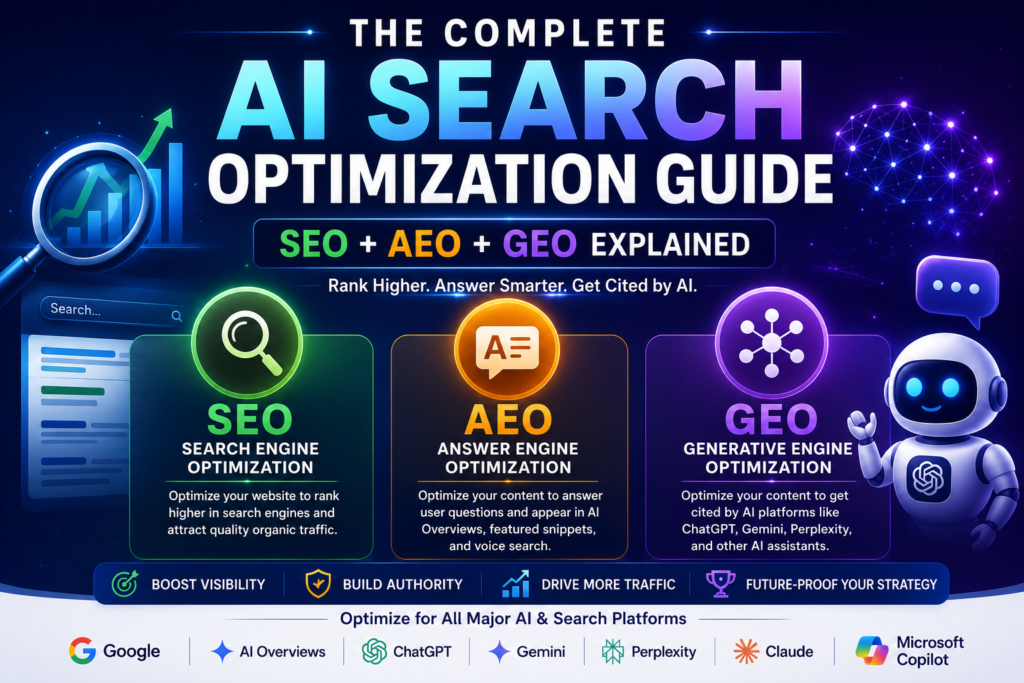
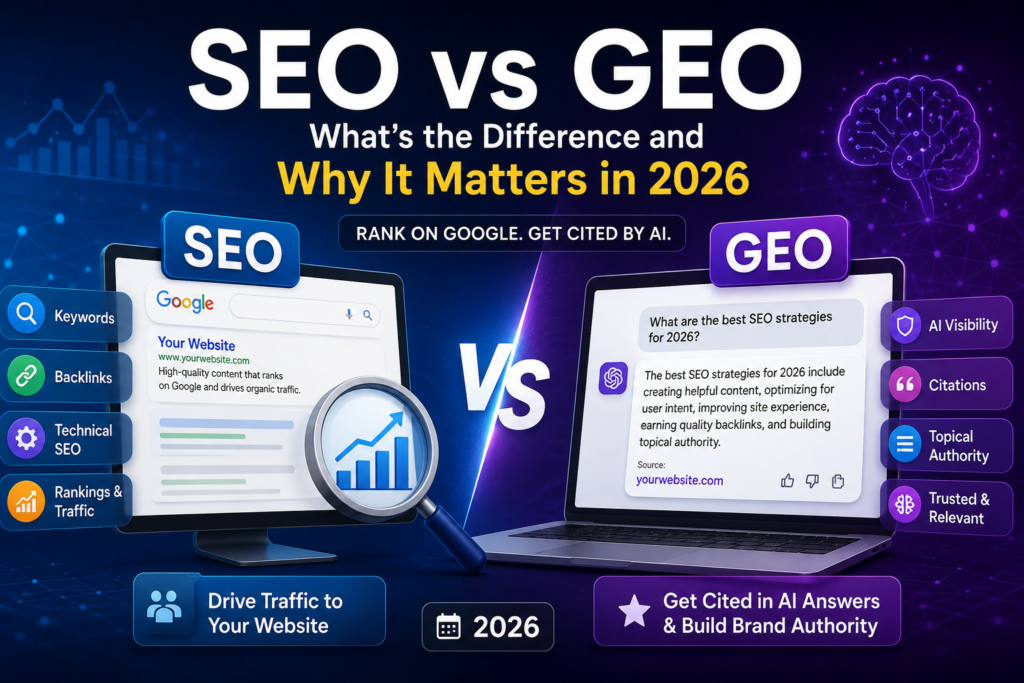
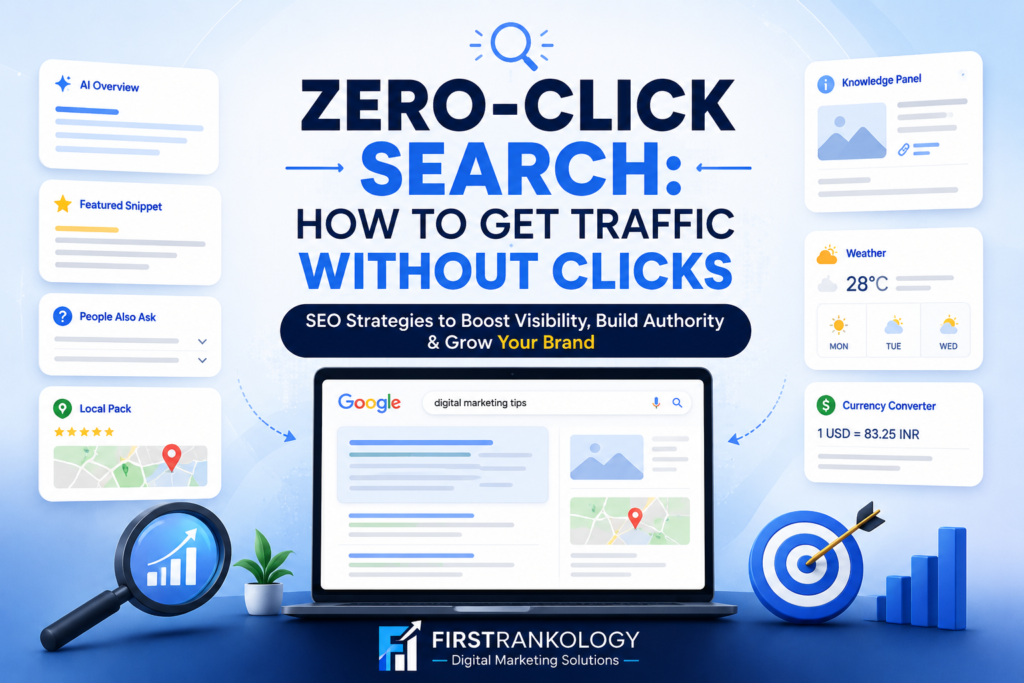
Search engines have evolved dramatically over the past few years. Today, users often find answers directly on Google’s search results page without ever visiting a website. This phenomenon is known as Zero-Click Search, and it’s changing how businesses approach online visibility. For brands investing in seo services, this shift doesn’t mean SEO is becoming less important, it means SEO strategies need to evolve. Instead of focusing only on clicks, businesses must optimize for visibility, authority, and AI-powered search experiences. What Is Zero-Click Search? A zero-click search occurs when users receive the information they need directly on the search engine results page (SERP), eliminating the need to click any website. Examples include: AI-generated search summaries Featured snippets Knowledge panels Local business listings Google Maps results People Also Ask boxes Weather forecasts Currency converters Sports scores Google’s goal is to provide instant answers, improving the user experience while reducing the need to visit multiple websites. Why Zero-Click Searches Are Increasing Several factors are driving this trend: AI-Powered Search : Google’s AI-generated answers summarize information from multiple trusted sources, allowing users to find quick solutions immediately. Mobile Search Growth : Mobile users prefer fast answers without opening multiple pages. Voice Search : Voice assistants deliver direct responses rather than lists of websites. Better Search Features : Featured snippets, FAQs, and rich results satisfy user intent quickly. Does Zero-Click Search Hurt SEO? Not necessarily, Although some informational searches receive fewer clicks, businesses can still benefit significantly through: Increased brand visibility Higher authority Better local discovery More qualified visitors Improved trust signals Greater chances of appearing in AI-generated responses Professional seo services now focus on maximizing visibility across every search feature—not just traditional organic rankings. How to Get Traffic Without Clicks Optimize for Featured Snippets : Featured snippets appear above traditional search results and often become Google’s preferred answer. Tips: Answer questions clearly. Use headings and bullet points. Keep definitions concise. Include numbered lists where appropriate. Target Long-Tail Keywords : Instead of broad keywords, optimize for specific user questions such as: How does zero-click search work? What are zero-click SEO strategies? How can businesses benefit from AI search? Long-tail keywords often attract highly qualified visitors. Build Topical Authority : Google prefers websites that demonstrate expertise across an entire topic. Instead of publishing one SEO article, create a content cluster covering: Technical SEO Local SEO AI Search Optimization Keyword Research On-Page SEO Link Building SEO Analytics The more comprehensive your content, the greater your chances of appearing in AI summaries and featured snippets. Optimize for AI Search : Modern search engines increasingly rely on artificial intelligence. Your content should: Answer questions naturally Include FAQs Use structured headings Cite trustworthy information Be easy to read Demonstrate expertise AI systems prioritize content that is accurate, organized, and genuinely helpful. Strengthen Local SEO : Many zero-click searches occur in local results. Examples include: “SEO agency near me” “Digital marketing company” “Best SEO consultant” Optimize your: Google Business Profile Business information Customer reviews Location pages Local keywords This helps your business appear in Maps and local search features. Create Helpful FAQ Sections : FAQs increase your chances of appearing in: People Also Ask AI summaries Voice search results Answer common customer questions clearly and concisely. Improve EEAT Signals : Google values websites that demonstrate: Experience Expertise Authoritativeness Trustworthiness Ways to improve EEAT: Publish expert-written content Add author bios Showcase client testimonials Keep information updated Use secure HTTPS Display contact information Focus on Brand Searches : Users who recognize your brand are more likely to visit your website directly. Build brand awareness through: Social media Email marketing Video content PR campaigns High-quality blog posts Strong branding leads to more direct and branded searches over time. How SEO Services Help in the Zero-Click Era Modern seo services go beyond ranking keywords. They focus on increasing your overall digital presence by: Optimizing content for AI search Improving technical SEO Creating structured content Building topical authority Enhancing local SEO Monitoring search performance Increasing brand visibility Developing content that earns featured snippets A strategic SEO approach ensures your business remains visible even when users don’t immediately click through from search results. Common Mistakes to Avoid Avoid these common pitfalls: Writing only for search engines instead of users Ignoring structured headings Publishing thin or duplicate content Neglecting mobile optimization Overusing keywords Failing to update older content Ignoring local SEO opportunities