Digital Marketing

Small business social media optimization concept with analytics dashboard, smartphone marketing interface, engagement graphs, and digital branding elements.
SEO

Top Benefits of Social Media Optimization for Small Businesses

In the modern digital landscape, simply creating social media accounts is not enough for business growth. Small businesses need a strong and optimized social media presence to attract customers, increase engagement, and build brand credibility. This is where Social Media Optimization (SMO) plays a crucial role. SMO Services helps businesses improve their visibility across platforms like Instagram, Facebook, LinkedIn, and X by using strategic content, profile optimization, audience engagement, and consistent branding. With the right SMO strategy a small businesses can reach a larger audience, generate quality leads, and compete effectively without spending heavily on advertising. In this blog, we will explore the top benefits of Social Media Optimization for small businesses and why it has become an essential part of modern digital marketing. What Is Social Media Optimization (SMO)? Social Media Optimization is the process of improving your social media profiles, content, and overall strategy to increase visibility, engagement, and audience reach. It includes activities such as: Optimizing social media profiles Posting engaging content regularly Using relevant hashtags Improving audience interaction Sharing high-quality visuals Increasing website traffic through social platforms The main goal of SMO is to build a strong online presence and connect with potential customers organically. Why SMO Matters for Small Businesses Small businesses often work with limited marketing budgets. SMO provides a cost-effective way to reach targeted audiences and compete with larger brands. A strong social media presence helps businesses stay visible, trustworthy, and connected with customers. Here are the top benefits of Social Media Optimization for small businesses. 1. Increases Brand Awareness One of the biggest benefits of SMO is improved brand visibility. Social media platforms allow businesses to showcase their products and services to a wider audience. By consistently posting valuable and engaging content, your business becomes more recognizable. The more people interact with your content, the more your brand reaches new potential customers. 2. Improves Customer Engagement Social media creates direct communication between businesses and customers. Through comments, messages, polls, and stories, businesses can interact with their audience in real time. Better engagement helps: Build customer trust Increase customer loyalty Improve brand reputation Understand customer preferences When customers feel connected to a brand, they are more likely to purchase and recommend it to others. 3. Drives More Website Traffic Optimized social media profiles can generate significant traffic to your website. Sharing blog posts, product pages, offers, and service updates encourages users to visit your site for more information. Adding website links in: Bio sections Stories Posts Call-to-action buttons can help increase clicks and conversions. More traffic also improves your overall digital marketing performance. 4. Cost-Effective Marketing Strategy Traditional advertising can be expensive for small businesses. SMO offers an affordable marketing solution with long-term benefits. Creating social media content costs much less than: TV advertisements Newspaper ads Billboards Large-scale campaigns Even organic strategies like reels, stories, and community engagement can generate strong results without a large budget. 5. Helps Generate Leads and Sales A well-optimized social media presence can attract potential customers and convert them into leads or sales. Businesses can use: Product showcases Customer testimonials Promotional offers Educational content Call-to-action posts to encourage users to contact or purchase from them. Platforms like Facebook and Instagram also offer shopping and inquiry features that make conversions easier. 6. Boosts Search Engine Visibility Social media optimization also supports SEO efforts. Although social media signals are not direct ranking factors, active social profiles help increase online presence and content visibility. Benefits include: More branded searches Higher website visits Increased content sharing Better online authority When your social content gets shared frequently, it can drive more people to your website and improve brand recognition on search engines. 7. Builds Brand Trust and Credibility Customers often check social media profiles before purchasing from a business. An active and professional social presence creates trust. Customer reviews Success stories Behind-the-scenes content Regular updates shows authenticity and helps customers feel more confident about your brand. A business with consistent social activity appears more reliable than one with inactive profiles. 8. Helps You Understand Your Audience Social media platforms provide valuable insights into audience behavior and preferences. You can track: Engagement rates Audience demographics Popular content Click-through rates Customer interests These insights help businesses improve their marketing strategies and create content that performs better. 9. Increases Local Business Reach For local businesses, SMO can help attract nearby customers. Optimizing profiles with: Business location Contact details Local hashtags Customer reviews Improves local visibility. Platforms like Facebook and Instagram are especially useful for restaurants, salons, gyms, retail shops, and service-based businesses targeting local audiences. 10. Keeps Your Business Competitive Most businesses are already using social media marketing. Without a proper SMO strategy, small businesses risk falling behind competitors. A strong social media presence helps businesses: Stay relevant Follow industry trends Reach modern consumers Compete effectively online Consistent optimization ensures your brand remains active and visible in the digital marketplace. Best SMO Tips for Small Businesses To get the best results from Social Media Optimization: Post consistently Use high-quality visuals Write engaging captions Use trending and relevant hashtags Respond to comments and messages Optimize profile information Share reels and short videos Track performance regularly Consistency and creativity are key to successful social media growth. Social Media Optimization is one of the most effective digital marketing strategies for small businesses. It helps improve brand awareness, customer engagement, website traffic, and sales while keeping marketing costs low. In a world where customers spend hours daily on social platforms, businesses that optimize their social media presence can build stronger relationships, attract new customers, and grow faster. Whether you are a startup, local business, or growing brand, investing in SMO services can create long-term business success in the digital age.  

SEO

Why Every Business Needs a Professional Website

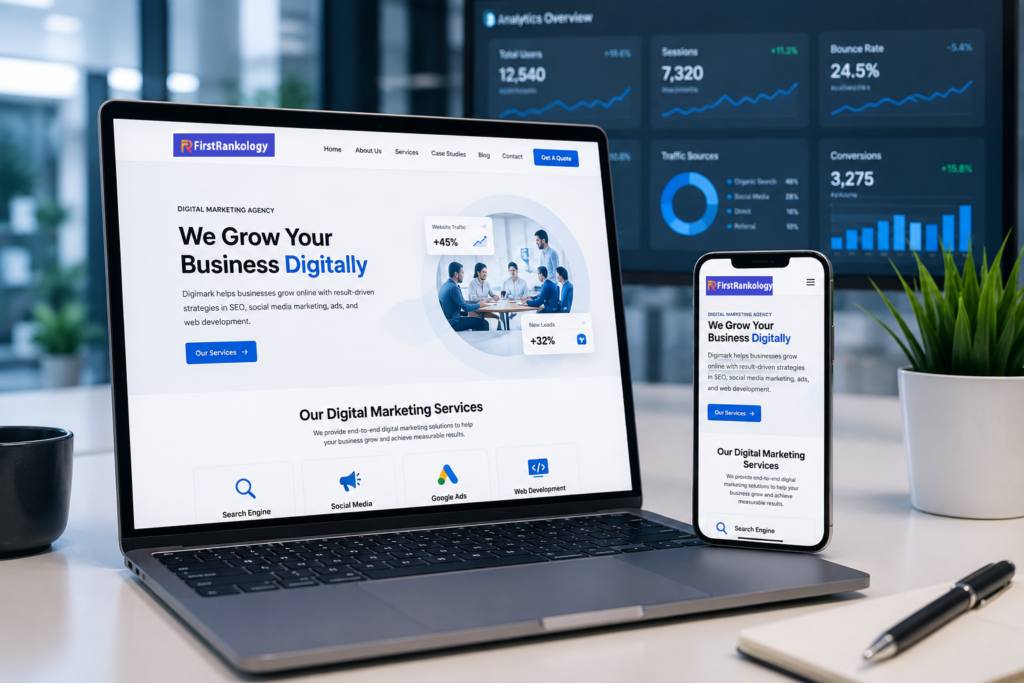
A professionally developed website serves as a powerful digital asset that enhances brand credibility, improves customer engagement, and drives long-term business growth in an increasingly competitive online marketplace. A strong online presence not only helps businesses build credibility but also attracts potential customers and increases brand visibility. With the growing importance of web development, businesses can create fast, user-friendly, and mobile-responsive websites that deliver a better customer experience. 1. Builds Credibility and Trust Customers often search online before purchasing a product or service. If your business doesn’t have a professional website, people may question your credibility. A well-designed website with clear information, testimonials, contact details, and professional branding creates trust and helps customers feel confident about your business. A professional website helps you Create a strong first impression Showcase your expertise Display customer reviews and case studies Build brand authority 2. Your Business Is Available 24/7 Unlike a physical store, your website works for you all day and night. Customers can learn about your services, browse products, or contact you anytime. This means your business continues generating leads and sales even when you are offline. With a website, customers can Find your business anytime Explore your services instantly Send inquiries directly Make purchases online 3. Improves Online Visibility Most customers use search engines like Google to discover businesses. Without a website, your chances of appearing in search results are very limited. A professional website optimized for SEO helps your business rank higher on search engines and attract organic traffic from potential customers. SEO benefits include Better Google rankings More website traffic Increased brand awareness Higher lead generation 4. Helps You Showcase Products and Services Your website acts as a digital showroom where you can highlight your products, services, pricing, and business achievements. Instead of explaining everything manually, you can direct customers to your website for complete information. You can showcase Product galleries Service details Portfolio projects Pricing packages FAQs and support 5. Supports Digital Marketing Campaigns A professional website is the foundation of successful digital marketing. Whether you run Meta Ads, Google Ads, email marketing, or SEO campaigns, all traffic ultimately lands on your website. Without a proper website, marketing campaigns may fail to convert visitors into customers. A website improves Ad conversion rates Lead generation Customer engagement Marketing performance tracking 6. Gives You Full Control Over Your Brand Social media platforms can change algorithms anytime, reducing your reach overnight. Your website is fully owned by you, giving complete control over your content, branding, and customer experience. With your own website, you control Brand design Content strategy Customer data Sales process SEO optimization 7. Helps Generate More Leads and Sales A professionally designed website guides visitors toward taking action — whether it’s contacting your business, booking a service, or making a purchase. Strategic design elements like call-to-action buttons, contact forms, and landing pages help convert visitors into customers. Conversion-focused websites include Clear CTAs Fast loading speed Mobile-friendly design Easy navigation Lead capture forms 8. Mobile Users Expect a Website Most internet users browse on mobile devices. A professional responsive website ensures your business looks great on smartphones, tablets, and desktops. If your website is slow or difficult to use on mobile, customers may leave and choose a competitor instead. 9. Helps You Compete in the Market Your competitors likely already have websites. Without one, your business may appear outdated or less professional. A modern website helps you stay competitive and attract customers who expect businesses to have an online presence. 10. A Website Is a Long-Term Investment Unlike temporary marketing campaigns, a professional website provides long-term value. It continuously supports your business growth, branding, and customer acquisition. A quality website can Generate leads for years Improve customer trust Support marketing strategies Increase business visibility Boost revenue over time A professional website is one of the most powerful tools for business growth in the digital age. It helps build trust, attract customers, improve online visibility, and support all your marketing efforts. No matter the size of your business, investing in a professional website can create long-term success and help you stay ahead of the competition.  

SEO

Meta Ads vs Google Ads Which is Better for Your Business?

Every business wants more leads, better visibility, and higher sales but choosing the right advertising platform can feel overwhelming. With so many options available, two platforms dominate the conversation: Meta Platforms Ads and Google Ads. While both are powerful, they work in completely different ways. One helps you create demand, while the other helps you capture it. Understanding this difference is key to making the right investment for your business. Understanding Meta Ads Meta Platforms Ads (formerly Facebook Ads) allow businesses to advertise across platforms like Facebook and Instagram. These ads are highly visual and appear in users’ feeds, stories, reels, and more. Key Strengths: Advanced audience targeting (interests, behavior, demographics) Ideal for brand awareness and engagement Great for visual content (images, videos, reels) Lower cost per impression compared to search ads Understanding Google Ads for Business Growth Google Ads allow businesses to show ads on search results, YouTube, and partner websites. These ads target users based on intent, meaning they appear when someone is actively searching for a product or service. Key Strengths: High-intent audience (ready to buy/searching) Immediate visibility on search results Multiple ad formats (search, display, video, shopping) Strong for lead generation and conversions Core Differences Between Meta Ads and Google Ads 1. Audience Targeting Meta Ads: Target users based on interests and behavior Google Ads: Target users based on search intent If your audience doesn’t know your brand yet, Meta Ads can help you reach them first. 2. Buyer Intent Meta Ads: Users are browsing (passive intent) Google Ads: Users are actively searching (high intent) If you want quick conversions, Google Ads usually performs better. 3. Cost Comparison Meta Ads: Lower CPC (cost per click), good for awareness Google Ads: Higher CPC but better conversion rates Meta is cost-effective for reach; Google is efficient for ROI. 4. Ad Format Meta Ads: Visual-heavy (images, reels, carousels) Google Ads: Text-based (search) + visual (display, YouTube) 5. Best Use Cases Use Meta Ads if you want to: Build brand awareness Grow social media presence Promote visually appealing products Run retargeting campaigns Use Google Ads if you want to: Generate leads or sales quickly Target high-intent users Capture demand (people already searching) Which One Should You Choose? Here’s a smart approach: Start with Meta Ads to create awareness and interest Use Google Ads to capture demand and convert leads Combine both for a full-funnel marketing strategy Real-World Example Imagine you run a digital marketing agency: Meta Ads introduce your services to new audiences Google Ads capture users searching “digital marketing agency near me” Together, they create a powerful growth system. Which Advertising Platform Is Right for Your Business? Choosing between Meta Ads and Google Ads depends on your business goals, budget, and target audience. Want visibility and engagement? → Go with Meta Ads Want leads and conversions? → Choose Google Ads Want maximum growth? → Combine both A balanced strategy will always outperform relying on just one platform.

DMCA.com Protection Status
Scroll to Top